Why it works.
The studies behind Komogon.
-
Put yourself on camera., read the study
Silvia & Duval, 2001 · Personality and Social Psychology Review
In decades of experiments, people who could see themselves, in a mirror or on camera, held themselves to their own standards and tried harder to meet them. A timelapse keeps the camera on you for the whole session.
-
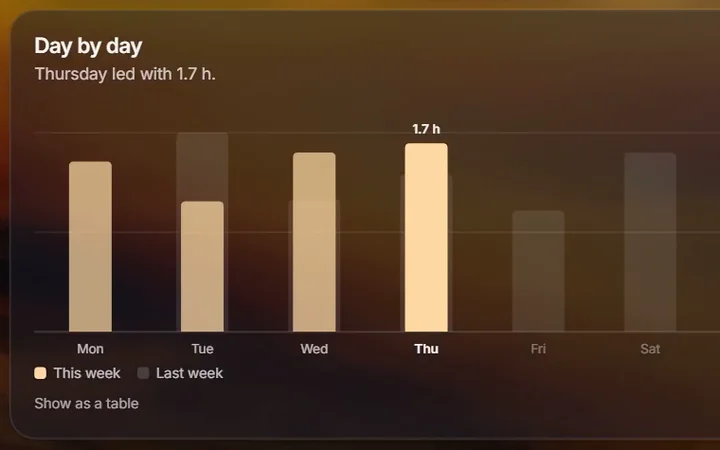
Keep a record., read the study
Harkin et al., 2016 · Psychological Bulletin
Across 138 studies, people who tracked their progress were more likely to reach their goals, and more so when it was recorded or shared. Komogon records every session, and you choose what to share.
-
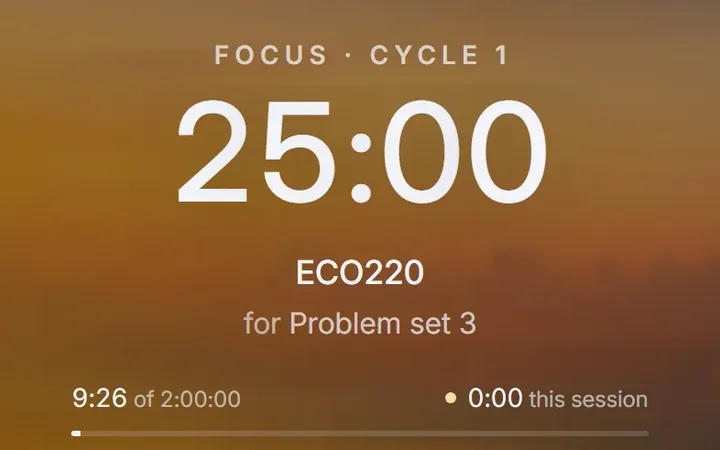
Take breaks on a timer., read the study
Biwer et al., 2023 · British Journal of Educational Psychology
Students on timed Pomodoro breaks were less tired and more focused than those who stopped whenever they felt like it, and seemed to get the same work done in less time.
-

Pick a day and a time., read the study
Gollwitzer & Sheeran, 2006 · Advances in Experimental Social Psychology
Across 94 studies, deciding exactly when and where you'll do something made people much more likely to do it. Plan my week suggests a day and a time for each task.
-
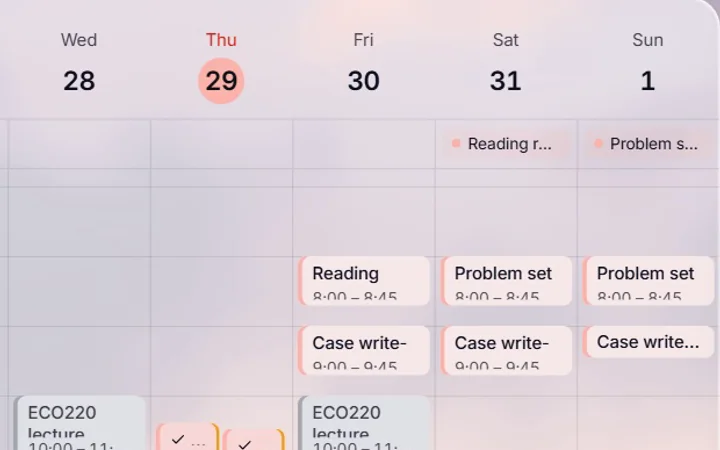
Spread it out., read the study
Cepeda et al., 2006 · Psychological Bulletin
In a review of 317 experiments, material studied over several days was remembered better than the same time spent in one sitting. Plan my week spreads study blocks across the week, toward the lighter days.
-
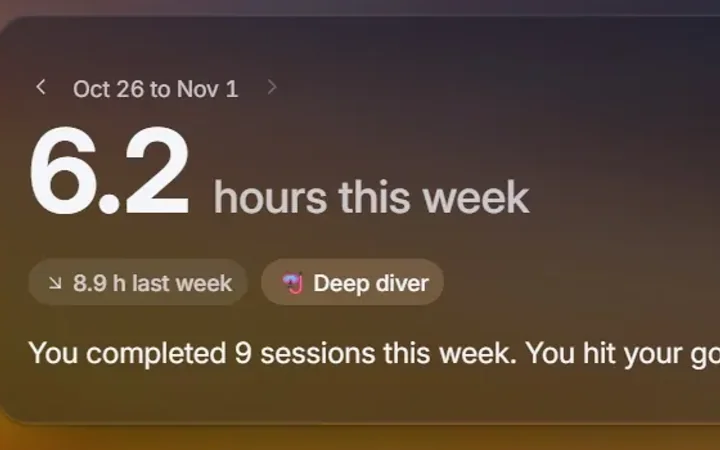
Know where you stand., read the study
Locke & Latham, 2002 · American Psychologist
Specific goals beat “do your best”, as long as you can see how you're doing against them. Analytics puts this week beside last week and your goal.
-
Study alongside others., read the study
Carr & Walton, 2014 · Journal of Experimental Social Psychology
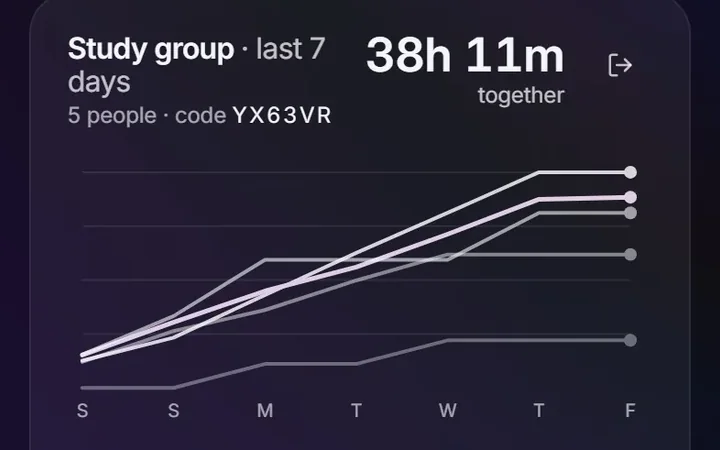
People who felt they were working with others stuck at a hard puzzle 48% longer, even though they were working alone. Groups and Live now show who's putting in the hours with you.
-
Miss a day, keep the habit., read the study
Lally et al., 2010 · European Journal of Social Psychology
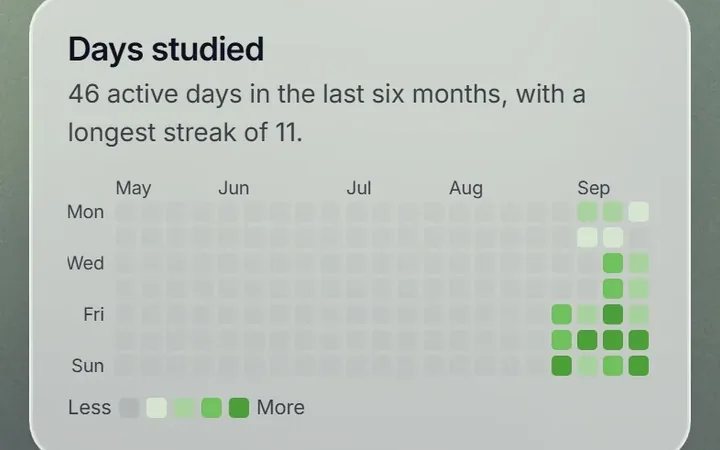
New habits took about two months to set in, and missing the odd day didn't hold people back. Days studied shows yours taking shape.